How an ultrasonic cleaner machine works
Cleaning components with many crevices, small holes, or complicated shapes often takes time. A wipe and a brush can clean the outer surface but do not necessarily reach every dirty part.
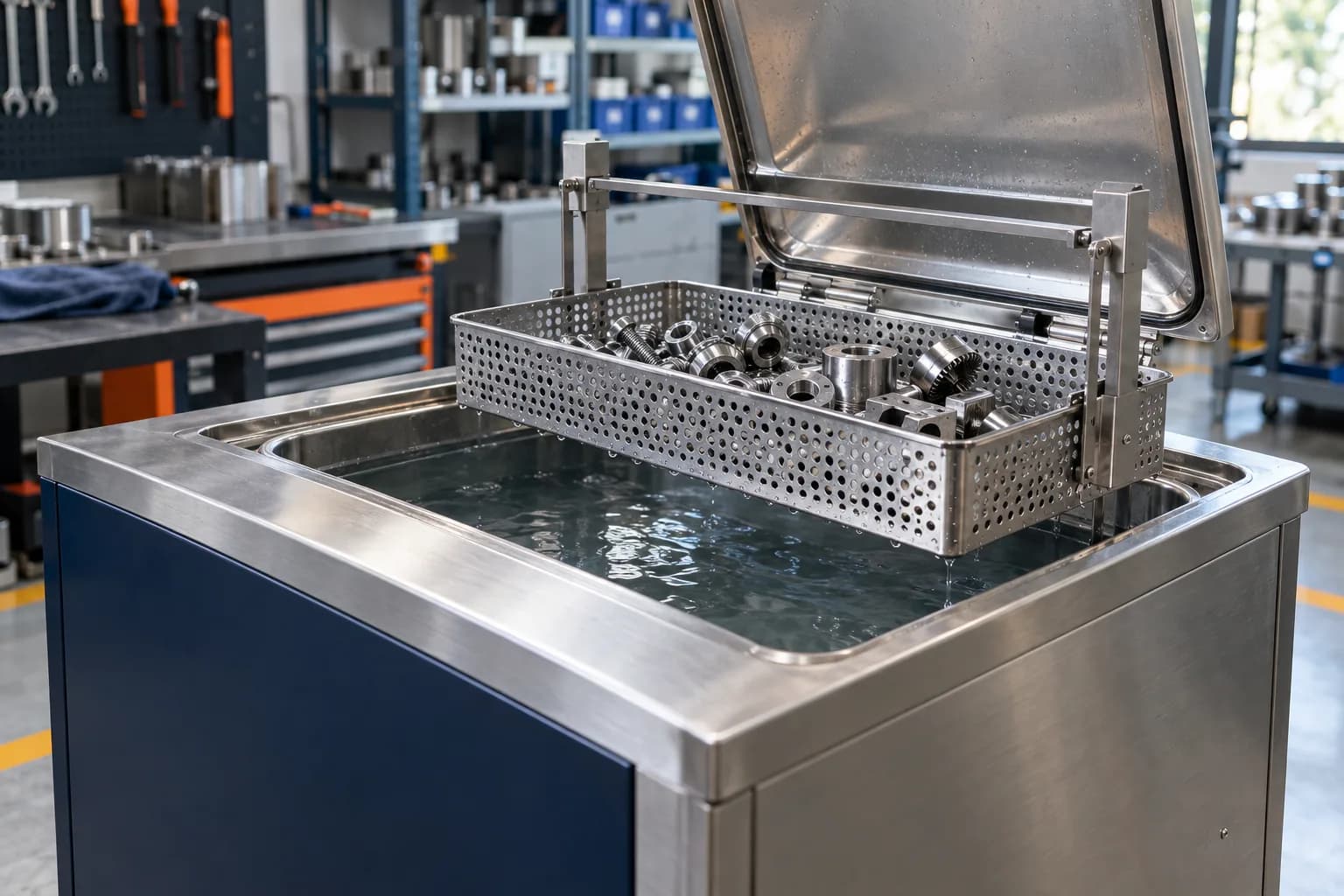
This is where an ultrasonic cleaner machine can help. It is used to clean components in a liquid with the help of ultrasonic waves. You will find it in workshops, in repair shops, and in industries that need a more thorough component cleaning process.
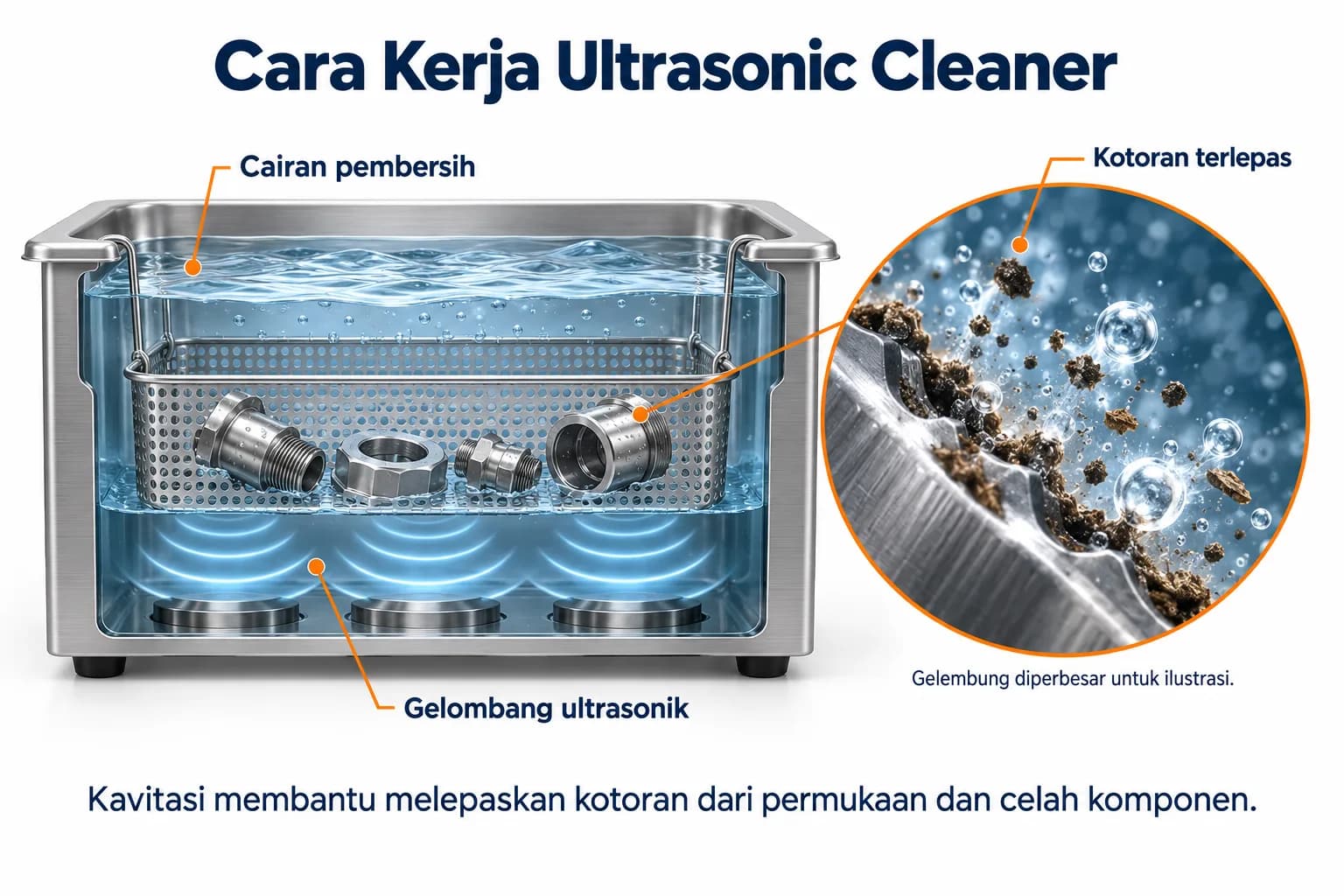
Put simply, an ultrasonic cleaner generates high-frequency sound waves in the liquid. Those waves form very small bubbles which then collapse and produce a cleaning action. That process is called cavitation.
This action helps release dirt that is stuck on, including in the crevices a brush cannot reach, as long as the liquid can get in and wet that area. Component placement and fluid choice are therefore an important part of the cleaning process.
Picture a component with threads and small recesses. Cleaned by hand, every area has to be scrubbed one by one. With an ultrasonic cleaner, the liquid and the ultrasonic waves work together to help clean that area.
What an ultrasonic cleaner is used for
In workshop and industrial work, an ultrasonic cleaner can help:
Clean oil and grease off components.
Release dirt left behind after metalworking.
Clean threads, recesses, and small gaps that are hard to reach.
Prepare components before inspection, assembly, or the next process.
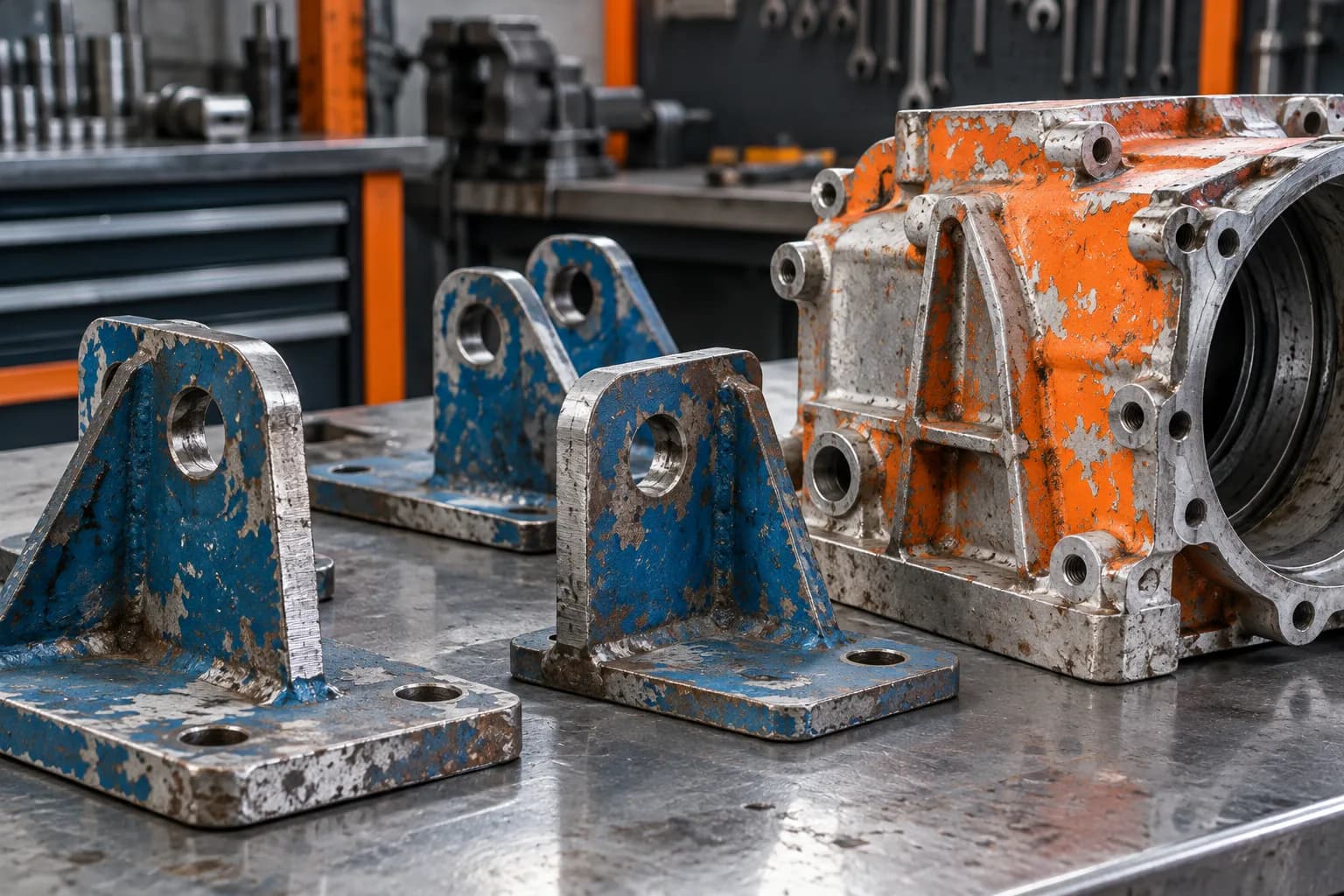
Example items that can be processed include bolts, nuts, fittings, and mechanical components that have been removed and declared suitable for ultrasonic cleaning. Fluid selection still has to follow the material type and the dirt involved.
The benefit that is easiest to feel is the reduced need to scrub every detail by hand. Even so, the result still depends on the condition of the component, the capability of the machine, the cleaning fluid, and the process settings.
Why a dedicated cleaning fluid is needed
An ultrasonic cleaner and its cleaning fluid have complementary roles. The machine produces the cavitation action; the fluid helps release and carry the dirt away from the component surface.
Water alone is often not enough to clean oil or grease. Using a suitable fluid helps the cleaning process work more effectively. The fluid also has to be chosen based on the material, because one type of cleaner is not necessarily right for every component.
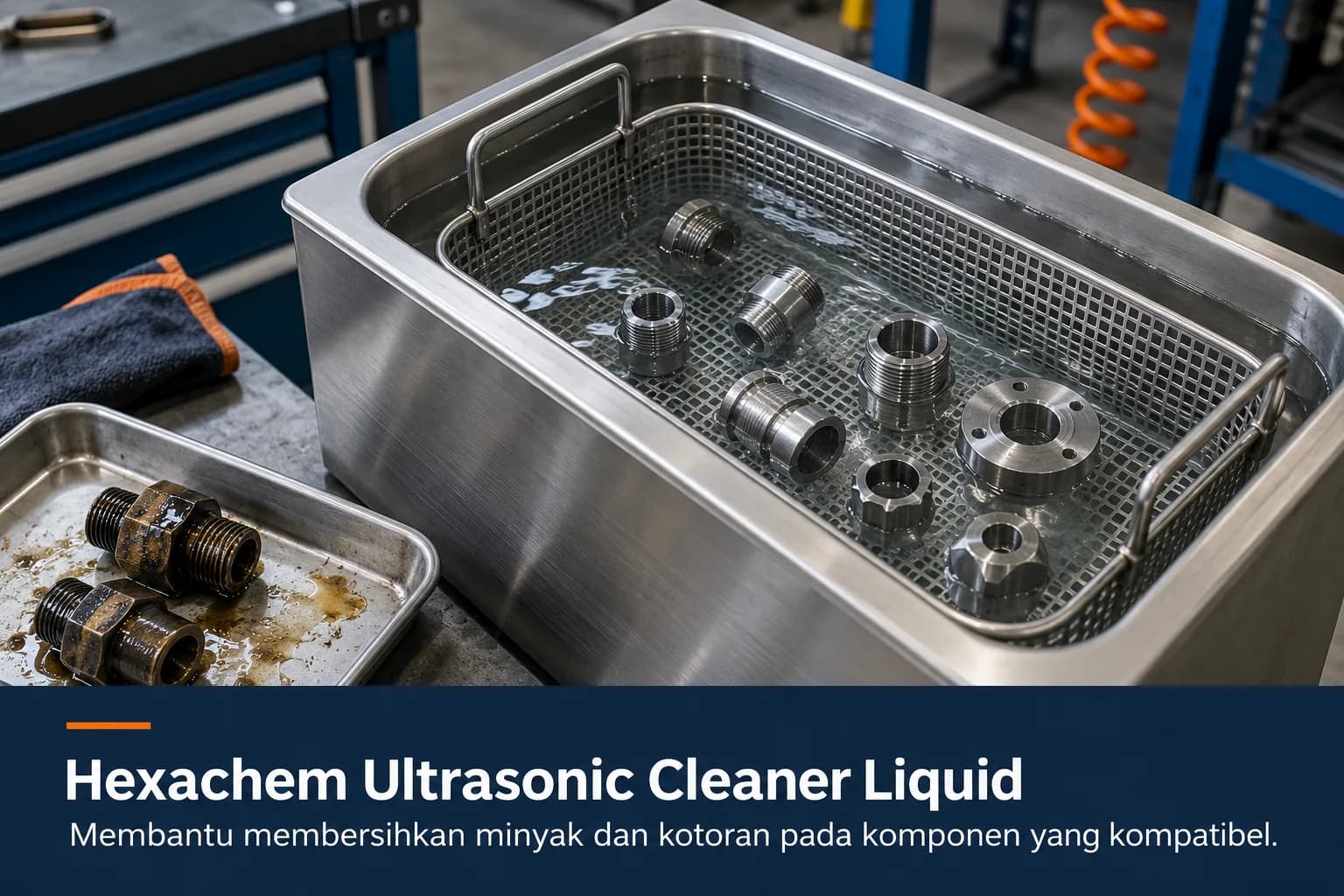
For this need, Hexachem Ultrasonic Cleaner Liquid is the cleaning fluid offered to support cleaning with an ultrasonic cleaner machine.
This product can be considered for cleaning components that suit an alkaline cleaner. For aluminium, zinc, or surfaces with a particular coating in particular, compatibility has to be confirmed first. Concentration, temperature, and process time follow the product's technical instructions and the test results on your components.
Why components can rust after cleaning
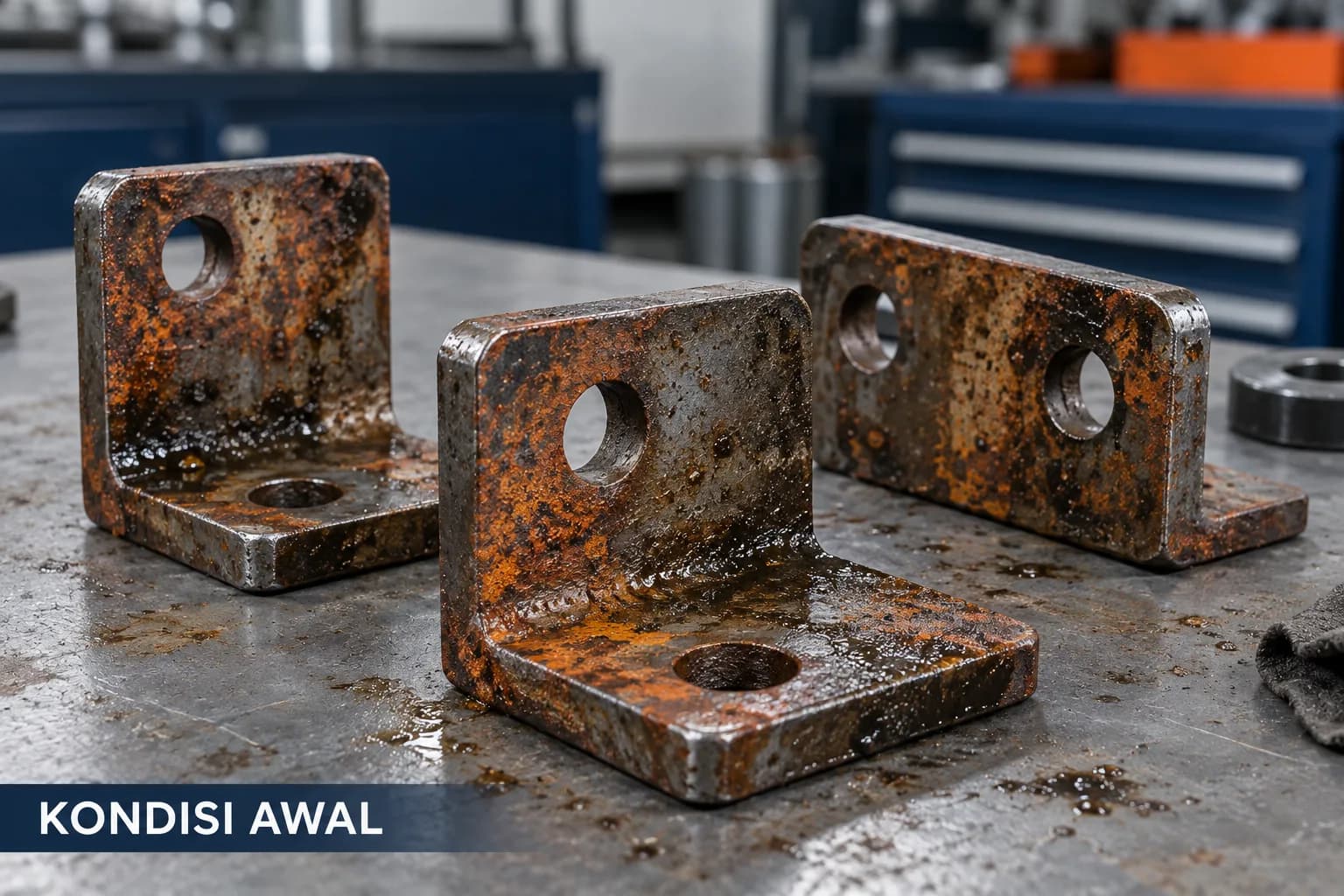
On iron and steel components, the job is not finished once the dirt has been lifted. After washing and rinsing, a surface that is still damp can start rusting again, especially if drying is delayed.
Rust that appears quickly after washing is often called flash rust. That is why the stage after cleaning deserves attention: rinsing, corrosion protection where needed, and proper drying.
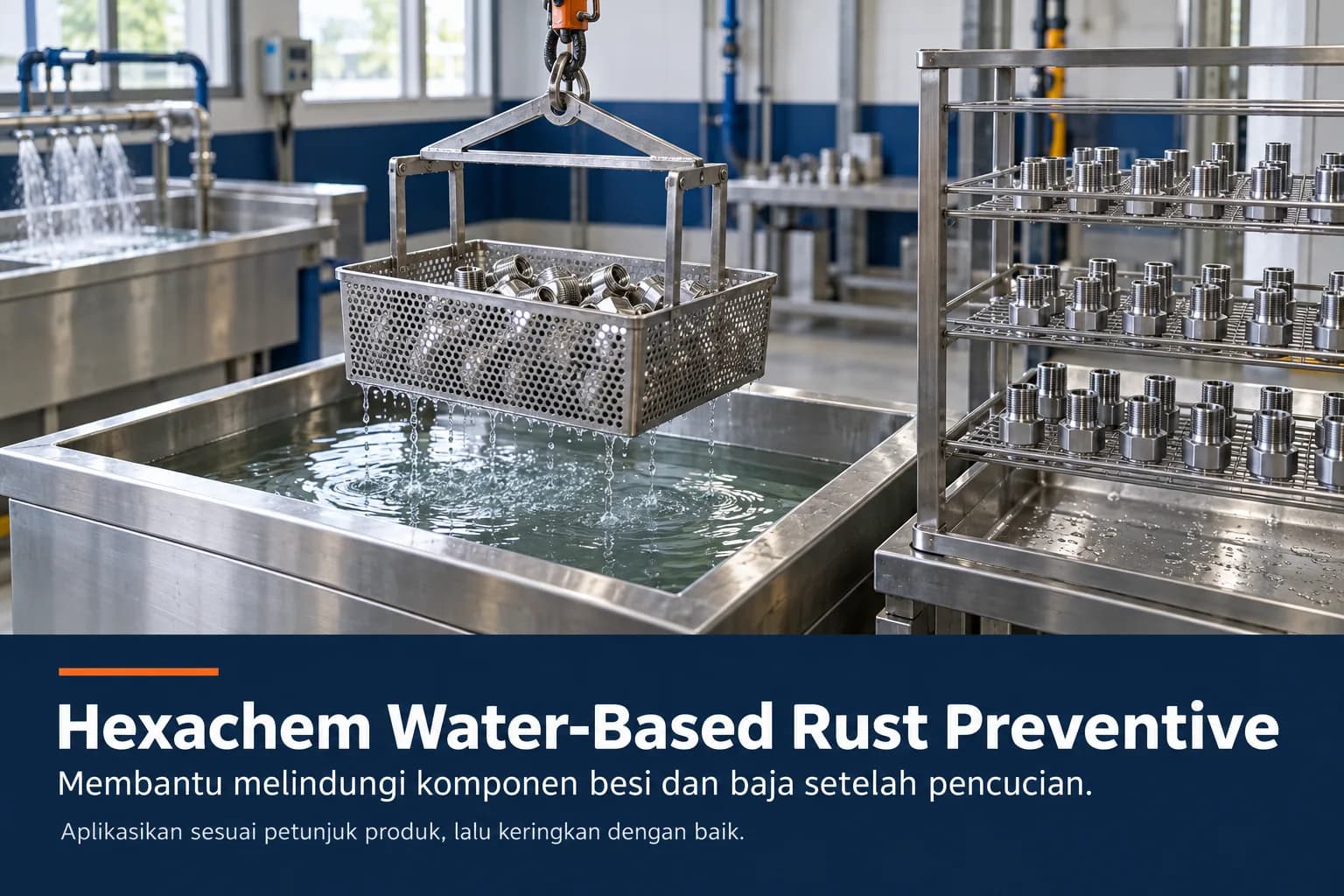
Hexachem Water-Based Rust Preventive can be part of the protection stage after washing on compatible iron or steel components. Its role is to help provide temporary anti-rust protection while components wait for handling or the next process.
This product is used as a protectant after cleaning, not as a remover for rust that has already formed. How long the protection lasts depends on storage conditions, humidity, handling, and how it is applied.
An easy-to-follow cleaning sequence
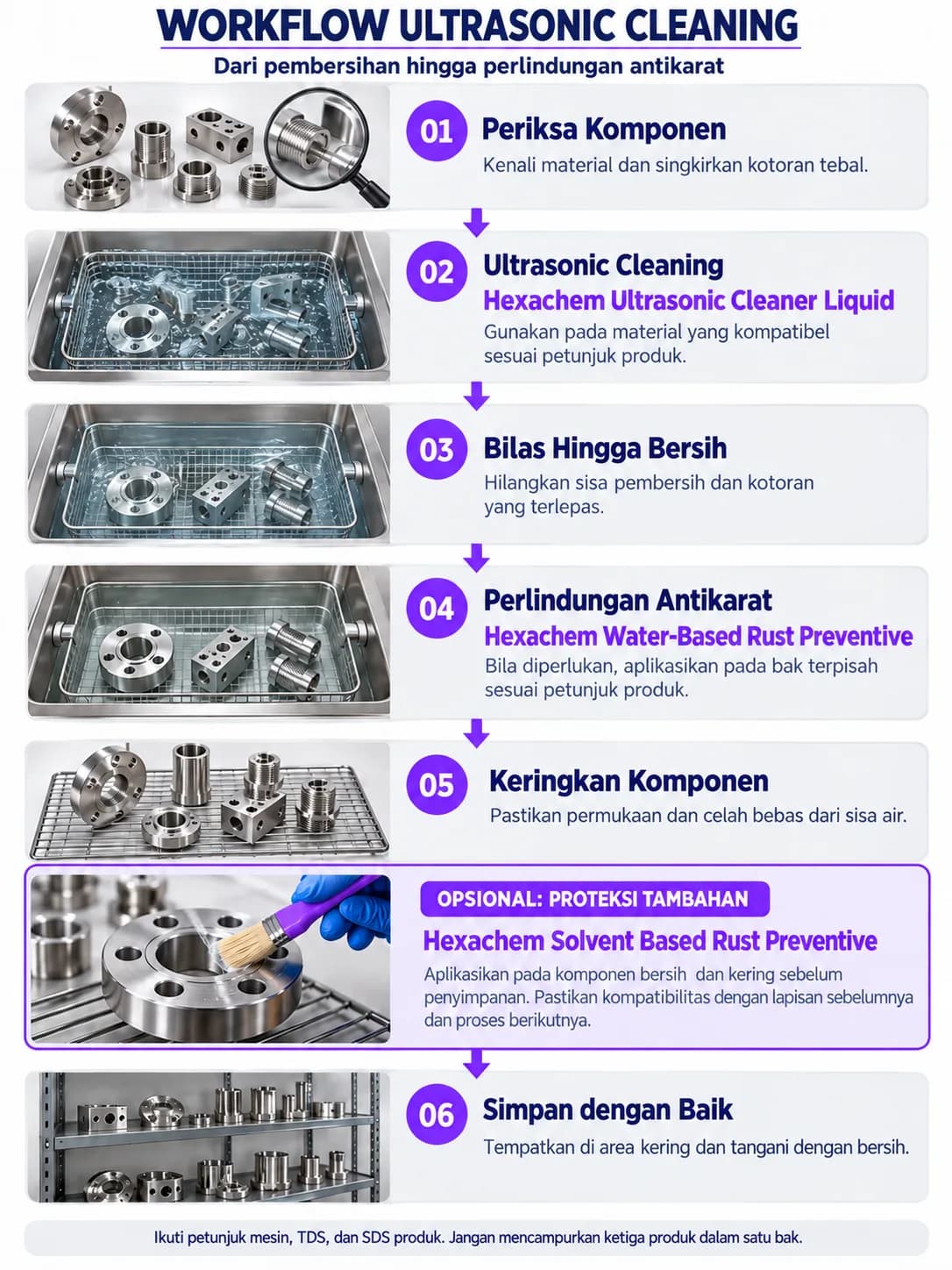
The two products are used at different stages. Do not mix them in one tank without a technical recommendation.
Good cleaning starts with the right process
An ultrasonic cleaner makes component cleaning easier, especially in the areas that are hard to reach. To get a result that fits your requirement, using the machine has to be supported by the right cleaning fluid and by post-wash handling.
Not sure which product suits your components?
Contact the PT Hexachem Indonesia team with the material type, the dirt being cleaned, and the process that follows washing so the recommendation can be matched to your needs.
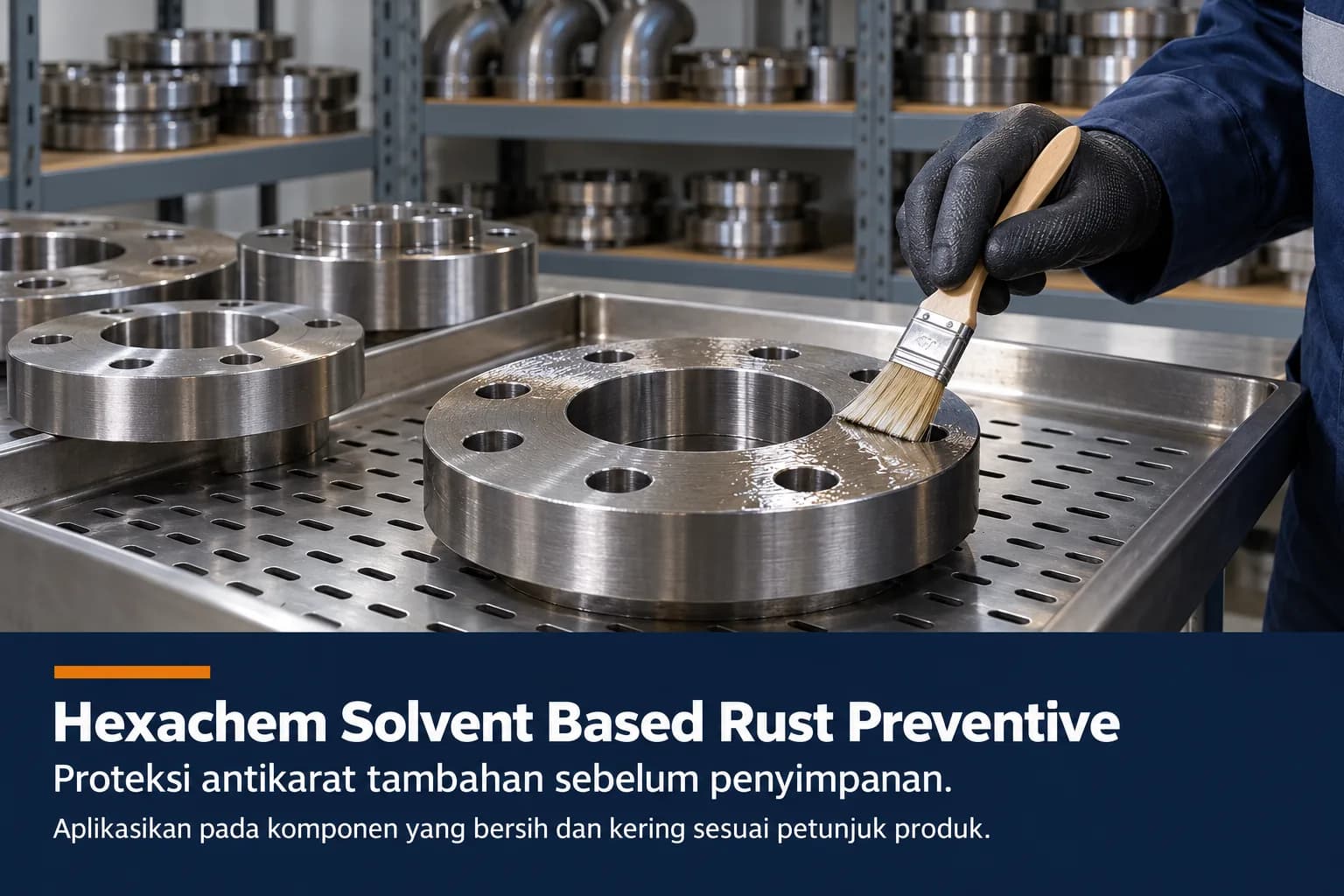
Need extra protection after cleaning? For iron and steel components that need additional anti-rust protection, you can use Hexachem Solvent Based Rust Preventive once the components have been cleaned and dried properly. Make sure the product choice matches the storage conditions and the next process. Contact the Hexachem team for a suitable application recommendation.